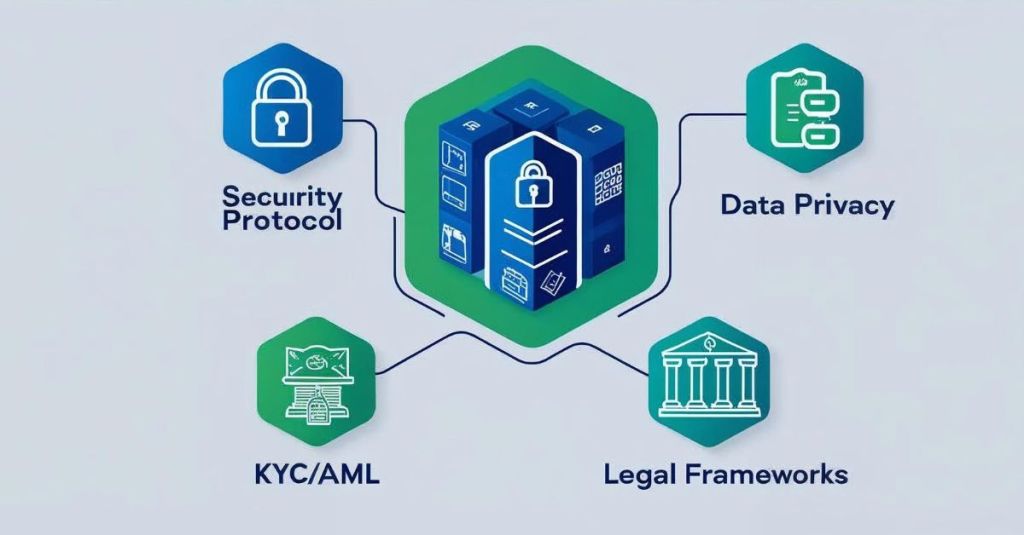
Fintech is transforming the financial sector. As new technologies emerge, so do new risks. Regulatory compliance has become one of the top priorities for fintech app developers. It ensures that apps not only meet legal requirements but also safeguard user data, protect financial transactions, and reduce the risk of fraud.
From financial stability to cybersecurity, the need for compliance is growing. For fintech companies, navigating the world of regulatory requirements is a must to avoid fines, reputational damage, or loss of business.
What is Regulatory Compliance in Fintech?
Regulatory compliance refers to the adherence to laws, regulations, and standards that govern the financial industry. For fintech apps, this means abiding by rules that control data protection, financial transactions, and user identification.
In simpler terms, compliance ensures that a fintech app operates legally and securely, protecting both users and businesses. This includes following regulations related to data privacy, anti-money laundering, fraud prevention, and much more. Without meeting these standards, a fintech app could face legal actions, data breaches, or even shut down.
Why is Regulatory Compliance Crucial in Fintech App Development?
In the fintech industry, the stakes are high. Regulatory compliance is not just about avoiding penalties; it also plays a crucial role in:
- Avoiding Legal Penalties: Non-compliance can lead to expensive fines and legal issues.
- Gaining User Trust and Market Credibility: Financial apps handle sensitive personal and financial data. When users know the app is compliant, they feel more secure and are more likely to trust it.
- Handling Sensitive Financial Data Securely: Compliance standards like PCI-DSS ensure that payment data is encrypted and transactions are secure, preventing data breaches and fraud.
In essence, regulatory compliance helps fintech apps establish themselves as trustworthy and reliable in an increasingly competitive market.
Key Regulations That Impact Fintech Apps
There are several key regulations that fintech apps must comply with, including:
- GDPR (General Data Protection Regulation): This regulation protects personal data of EU citizens. It requires fintech apps to securely store and process customer data and gives users the right to request their data be deleted.
- PCI-DSS (Payment Card Industry Data Security Standard): Apps that handle payment card information must comply with PCI-DSS to ensure payment data is encrypted and secure.
- PSD2 (Payment Services Directive 2): This EU regulation requires strong customer authentication for financial transactions and encourages open banking, enabling third-party providers to access payment account data with user consent.
- AML (Anti-Money Laundering): AML regulations prevent money laundering and require fintech apps to monitor and report suspicious financial activities.
- KYC (Know Your Customer): KYC regulations ensure that financial institutions verify the identity of their clients to prevent fraud and terrorism financing.
Each of these regulations plays a critical role in ensuring fintech apps operate ethically, transparently, and securely.
Compliance Challenges Fintech Startups Face
For fintech startups, regulatory compliance can be especially challenging. Some of the major hurdles include:
- Constantly Changing Laws: Regulations often change, and staying up-to-date can be overwhelming for small teams without dedicated legal resources.
- Cross-Border Regulation Hurdles: Fintech apps that operate internationally face the added challenge of complying with multiple regulatory frameworks, each with its own rules.
- Data Privacy Complexities: Different regions, like the EU and the U.S., have varying standards for data protection, making it tricky for apps that serve a global market to stay compliant.
These challenges can delay product development, increase costs, and expose the business to legal and financial risks. However, addressing them early on is crucial for long-term success.
How to Ensure Compliance While Building a Fintech App
Ensuring compliance starts with integrating it into your app development process from the very beginning. Here’s how to ensure your fintech app stays compliant:
- Integrate Compliance from Day One: Compliance isn’t a last-minute check. It should be part of your app’s design and development process.
- Work with Legal and Compliance Teams: Involve experts who understand the laws in the regions you’re targeting. This will help you avoid costly mistakes.
- Automate Compliance Checks: Use tools like RegTech (regulatory technology) to automate tasks such as KYC verification, transaction monitoring, and audit trails. This reduces the risk of human error and ensures compliance in real-time.
By embedding compliance into your development workflow, you avoid future headaches and ensure your app meets all legal standards.
Role of Technology in Regulatory Compliance
Technology is a key enabler of regulatory compliance in fintech app development. The right tools can simplify the process and make it more efficient:
- AI and Machine Learning: These technologies help detect fraud patterns and flag risky transactions in real-time, reducing the manual workload and improving security.
- Blockchain: Blockchain technology offers transparent, immutable records, which can help with compliance in areas like data privacy and fraud prevention.
- RegTech Integration: RegTech solutions provide software that automates compliance tasks like KYC checks, real-time monitoring, and reporting, ensuring that fintech apps remain compliant with minimal effort.
These technological advancements make it easier for fintech companies to meet complex regulatory requirements and reduce the risks associated with non-compliance.
The Growing Fintech Market and Compliance Demand
The global fintech market is experiencing rapid growth. According to Fortune Business Insights, the market was valued at USD 340.10 billion in 2024 and is projected to reach USD 1,126.64 billion by 2032, exhibiting a CAGR of 16.2% during the forecast period (Fortune Business Insights).
This significant expansion brings about several challenges, particularly in the realm of regulatory compliance. As fintech companies scale and enter new markets, they encounter a complex web of regulations that vary across regions. Ensuring compliance with these diverse legal frameworks becomes increasingly difficult but is essential to maintain operational legitimacy and user trust.
The rising demand for compliance can be attributed to several factors:
- Increased Regulatory Scrutiny: As the fintech sector grows, regulatory bodies are implementing stricter measures to ensure financial stability and protect consumers.
- Cross-Border Operations: Expanding into international markets exposes fintech companies to a multitude of regulatory environments, necessitating robust compliance strategies.
- Data Protection Concerns: With the handling of sensitive financial data, adhering to data protection regulations like GDPR becomes paramount to prevent breaches and maintain user confidence.
In summary, the rapid growth of the fintech market amplifies the need for stringent regulatory compliance. Companies must proactively address these challenges to ensure sustainable growth and maintain the trust of their users.
Benefits of a Compliance-First Fintech App
A compliance-first approach offers multiple advantages:
- Enhanced Trust and Reputation: Users are more likely to trust an app that is transparent about its compliance efforts, especially when handling their financial data.
- Faster Approvals and Partnerships: Compliance ensures that your app can secure partnerships with financial institutions, investors, and regulatory bodies, speeding up approval processes.
- Long-Term Scalability: When you build with compliance in mind, your app is better equipped to scale into new markets without facing legal setbacks.
Being proactive about compliance doesn’t just protect your business; it positions you as a reliable, trustworthy brand in the competitive fintech space.
Conclusion
In the fast-paced world of fintech, regulatory compliance is essential. It ensures that your app operates legally, protects user data, and builds trust with customers. As the fintech market continues to grow, compliance will play a critical role in the success of your app.
If you’re looking to partner with experts who can guide you through the complexities of fintech app development and regulatory compliance, check out a list of top fintech app development companies. and hire the best company as per your requirements
 Business Club
Leave a comment