In today’s fast-paced digital world, convenience is no longer just a desire — it’s an expectation. Whether it’s booking a cab, ordering groceries, scheduling a home repair, or accessing healthcare consultations, people now turn to their smartphones to get things done. This rising demand for instant access has given birth to a wide range of mobile services apps that are reshaping how we live and work.
Mobile services apps are designed to bridge the gap between consumers and service providers in real time. They make everyday tasks easier by offering instant booking, live tracking, secure payments, and seamless communication — all within a few taps. From ride-hailing giants like Uber to food delivery leaders like DoorDash, these apps are setting new standards for convenience and customer experience.
As businesses embrace digital transformation, mobile services apps are becoming essential tools to stay competitive and relevant. They not only improve customer satisfaction but also offer scalable solutions for service delivery across industries. In this complete guide, we’ll explore what a mobile services app is, the industries it impacts, the features that define it, and why it’s a game-changer for users and companies alike.
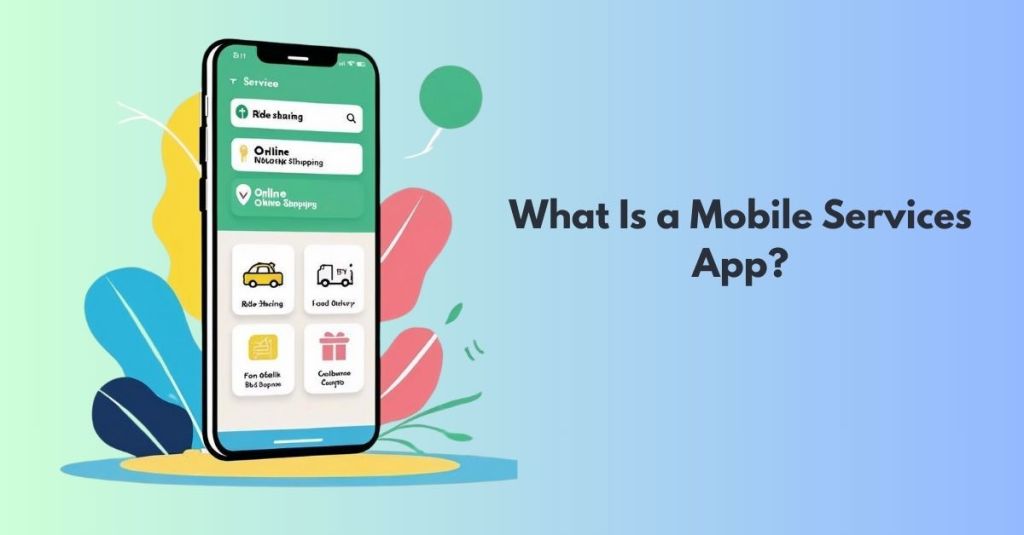
What Is a Mobile Services App?
Mobile services apps are transforming how people access and use various services. These apps make it easier for users to connect with providers for everything from transportation to healthcare. With just a few taps, services are at your fingertips.
Key Features of Mobile Services Apps
These apps thrive on user experience and functionality. The most successful ones share common features that ensure smooth and reliable service delivery. From seamless navigation to secure payments, each element plays a vital role in user satisfaction. Let’s explore the key features that define a successful mobile services app.
User Registration & Profile
Users start their journey by signing up and creating personalized profiles. These profiles store essential information such as names, contact details, preferences, and service history. By offering customized experiences, the app builds user trust and boosts retention. Integration with social login or biometrics also simplifies the registration process and enhances security.
Service Listings & Booking
Service listings are presented in a clean, categorized layout that helps users browse and choose easily. Booking features are often accompanied by calendars and availability slots. The ability to customize bookings, reschedule, or even repeat services with one click adds major value to the user experience.
Real-Time GPS/Location Tracking
Live GPS tracking helps users stay informed about service status. Whether it’s watching a food delivery on the map or locating a service provider en route, real-time location builds trust and enhances convenience. For service providers, it improves efficiency and response times.
In-App Payments
Users can pay seamlessly through secure gateways integrated within the app. Support for multiple payment methods — including credit cards, UPI, digital wallets, or even subscriptions — improves flexibility. Encryption protocols and tokenization ensure user data is protected during each transaction.
Ratings and Reviews
After availing of a service, users can rate and review their experience. Feedback helps maintain service quality and assists new users in making informed choices. Some apps also feature response systems where providers can address concerns, boosting transparency and credibility.
Notifications and Support
Push notifications help users stay updated about service status, discounts, and reminders. In-app customer support — via live chat, help centers, or bots — provides instant assistance. This two-way communication boosts satisfaction and helps resolve issues faster.
Popular Types of Mobile Services Apps
Mobile services apps now cater to a variety of industries. They simplify processes, bring services closer to the customer, and allow providers to reach broader audiences. Here are the main categories where these apps have made a significant impact:
Transportation
Transportation apps like Uber, Lyft, or Bolt provide real-time ride bookings. These platforms match drivers with users, offer fare estimates, route tracking, and digital payments. Many also include carpooling and scheduling features to increase accessibility and affordability.
Home Services
Apps like Handy, Urban Company, and Thumbtack help users find trusted professionals for home cleaning, repairs, electrical work, and more. Users can compare prices, read reviews, schedule services, and make payments — all without picking up the phone.
Healthcare
Healthcare apps such as Teladoc, Zocdoc, and Practo connect patients to doctors virtually. Features include appointment scheduling, online consultations, medical records storage, and even prescription orders. This improves healthcare access, especially in remote areas.
Delivery
Delivery apps for food, groceries, and essentials have seen explosive growth. Platforms like DoorDash, Instacart, and Grubhub let users place orders, track them in real time, and pay digitally. Loyalty programs and scheduled deliveries further enhance convenience.
Freelance/On-Demand Labor
Freelancer platforms such as Fiverr, Upwork, and TaskRabbit enable users to hire experts for creative, technical, or manual tasks. From designing a logo to assembling furniture, these apps streamline task outsourcing with real-time chat, contracts, and escrow systems.
Benefits for Businesses
Mobile service apps don’t just offer convenience to customers. For businesses, they unlock new levels of scalability, automation, and customer engagement. Here’s how organizations benefit from adopting mobile service platforms:
- Better Customer Engagement: Direct communication through the app helps gather feedback, provide support, and promote loyalty programs that boost repeat usage.
- Scalability and Automation: Digital platforms automate appointment scheduling, billing, and customer management — allowing businesses to grow without extra overhead.
- 24/7 Availability: Unlike traditional service hours, mobile apps allow users to engage anytime, increasing business reach and revenue potential.
- Data Collection and Personalization: Usage insights help businesses understand customer behavior and offer personalized promotions, improving conversion rates.
Why Customers Prefer Them
The popularity of mobile service apps stems from their ability to provide fast, reliable, and frictionless solutions. Here’s why users are embracing them across demographics and regions:
- Convenience: With centralized dashboards, users can manage bookings, payments, and communication in one place — often with just a few taps.
- Time-Saving: No need for phone calls or store visits. Users save time with instant booking, digital support, and real-time tracking.
- Easy Access: Services are available at the user’s fingertips, accessible anywhere with an internet connection — ideal for remote or urgent needs.
Development Considerations
Creating a successful mobile services app goes beyond good design. It requires careful planning, user research, and strong backend systems. Here are key factors to consider during development:
UX/UI Design
Great design isn’t just about looks. It’s about guiding users to their goal with ease. A clean layout, intuitive navigation, fast loading, and mobile optimization are essential to keep users engaged and minimize drop-off rates.
Platform Choice
Choosing between iOS, Android, or cross-platform frameworks like Flutter or React Native impacts cost, reach, and performance. Target audience research and budget considerations play a big role here.
Backend Infrastructure
Scalable and reliable backend services are the engine of your app. They handle databases, user authentication, real-time updates, and more. Cloud infrastructure ensures flexibility and reduced downtime.
Security & Compliance
Security is a top priority, especially when handling sensitive data or payments. Apps must follow data protection laws (like GDPR or HIPAA), offer encrypted storage, and support two-factor authentication to protect user data.
Future Trends
As mobile services apps continue to evolve, several key trends are shaping the next generation of innovation. Staying ahead of these trends will help businesses stay competitive and offer enhanced value to users:
- AI and Personalization: AI-driven recommendations and predictive services will create more personalized user experiences, from content to timing.
- Voice-Based Services: Voice search and command features will allow hands-free interactions, improving accessibility for diverse users.
- Wearables & IoT Integration: Apps will increasingly sync with wearables and smart home devices, enabling faster data access and context-aware services.
Conclusion
Mobile services apps are changing the way we live and work. They bring unmatched ease, speed, and efficiency. From customers booking rides to businesses managing services, these apps have become essential tools in a digital-first world.
For companies planning to develop a mobile services app, it’s crucial to choose the right development partner. A reliable team can help turn your app idea into a scalable product. To explore top-rated agencies for your needs, check out leading mobile app development companies in the USA on TopDevelopers.co.
 Business Club
Leave a comment