Tag: social-media

  • How to Define Your Mobile App’s Unique Value Proposition

    How to Define Your Mobile App’s Unique Value Proposition

    In the fast-paced world of mobile apps, millions of apps are competing for users’ attention. Simply developing an app with good features is no longer enough. To ensure that your app stands out and attracts loyal users, you need a clearly defined Unique Value Proposition (UVP). A UVP explains why your app is different, what problems it solves, and why users should choose it over the competition.

    Your UVP acts as the foundation of your app’s success. It not only guides your development decisions but also shapes your marketing messages, helps in acquiring users, and ensures long-term engagement. Without a clear UVP, even a well-designed app can struggle to gain traction in a crowded market.

    Understanding and defining a UVP is crucial before you invest time and resources into app development. It allows you to identify your app’s strengths, highlight its benefits, and communicate its value in a compelling way to your target audience. A strong UVP also helps in prioritizing features that truly matter to users rather than adding functionalities that may not contribute to solving their problems.

    In addition, a clear UVP provides clarity to your internal teams, including designers, developers, and marketers, ensuring everyone is aligned with the app’s core purpose. By focusing on what makes your app unique, you can craft a strategy that resonates with users and drives engagement from the first interaction.

    If you are looking to understand the bigger picture of launching a successful app, you can check out this guide on Successful Mobile App Launch. It provides insights on planning, development, and promotion strategies that complement your UVP and set your app on the path to success.

    What is a Unique Value Proposition?

    Unique Value Proposition (UVP) is a concise statement that clearly communicates the unique benefits your mobile app offers, the problems it solves, and why it stands out from competitors. In simple terms, your UVP answers the question: “Why should users choose my app over others?”

    Many app developers make the mistake of focusing solely on features, such as “our app tracks workouts” or “our app manages expenses.” While features are important, a UVP goes beyond that by highlighting the actual benefits users gain from using the app. For example, instead of saying “tracks workouts,” a strong UVP might say, “We provide AI-driven personalized workout plans that help you achieve your fitness goals in just 10 minutes a day.” This immediately communicates value, differentiates your app, and gives users a reason to engage.

    Having a clearly defined UVP is crucial because it:

    • Guides Your Development: A UVP helps prioritize app features and functionality that directly contribute to your unique value, ensuring resources are focused on what matters most to users.
    • Shapes Marketing Messages: It informs all your marketing communication, from app store descriptions to advertisements, making your messaging clear, compelling, and consistent.
    • Attracts the Right Users: By clearly articulating your app’s benefits, a UVP draws users who truly need your solution, improving retention and engagement.
    • Sets You Apart from Competitors: In a saturated app market, a UVP helps your app stand out by highlighting what makes it unique and why users should choose it over alternatives.

    For instance, consider popular apps like Duolingo or Headspace. Duolingo’s UVP focuses on making language learning fun, effective, and accessible to everyone, while Headspace emphasizes mindfulness and stress relief through guided meditation. Both apps clearly communicate the unique value they offer, which helps them attract and retain millions of users worldwide.

    In summary, your UVP is the backbone of your app strategy. It is not just a marketing slogan but a strategic tool that influences product development, user acquisition, and overall business success. A well-crafted UVP ensures that users immediately understand your app’s purpose and benefits, which is crucial for adoption in today’s competitive app ecosystem.

    Steps to Identify Your App’s Unique Value Proposition

    Understand Your Target Audience

    Understanding your target audience is the first and most important step in defining your UVP. If you don’t know who your app is for, you can’t effectively communicate its value. A deep understanding of your users helps you design features, messaging, and marketing strategies that truly resonate.

    • User Research: Conduct surveys, interviews, and focus groups to gather insights about your audience’s pain points, goals, and preferences. Ask questions like “What problem are you trying to solve?” or “What features do you wish your current apps had?” This will give you real, actionable data to guide your UVP.
    • Segmentation: Divide your audience into meaningful groups based on behavior, demographics, or needs. For example, a fitness app may target students, working professionals, and seniors differently, tailoring messaging and features to each segment.
    • Analytics: Use app analytics tools such as Google Analytics, Firebase, or Mixpanel to track user behavior and identify patterns. Understanding how users interact with existing apps or your beta version can provide insights into what they value most.

    By understanding your target audience, you can identify what matters most to them and create a UVP that addresses their specific needs. Without this knowledge, your UVP may be too generic and fail to attract the right users.

    Analyze Competitors

    Next, examine the competitive landscape to determine where your app can stand out. Analyzing competitors helps you understand what users are already experiencing and identify gaps in the market.

    • Competitive Research: Look at top apps in your category, reviewing features, pricing, user reviews, and ratings. Identify what users like and dislike about existing solutions.
    • Identify Gaps: Look for unmet needs or problems that competitors haven’t fully addressed. For example, if users complain about a lack of personalized features in existing apps, that can be your opportunity to differentiate.
    • Differentiation: Highlight what makes your app better or unique. This could be a standout feature, superior user experience, better performance, or even a specific niche focus.

    By analyzing competitors, you not only avoid repeating what’s already available but also position your app to fill gaps in the market. This creates a compelling reason for users to choose your app over others.

    Define Core Benefits of Your App

    Once you know your audience and competitors, it’s time to define the core benefits your app provides. These benefits should directly solve user problems and create real value.

    • Problem-Solving: Clearly state the problem your app addresses. Users are more likely to download an app that solves a specific pain point, whether it’s saving time, improving productivity, or enhancing well-being.
    • Feature Benefits: Focus on how your features translate into tangible advantages. For example, an expense tracker with automatic categorization saves users time and reduces the mental load of managing finances.
    • User Impact: Emphasize the positive outcomes for users, such as improved efficiency, better health, or increased enjoyment. This makes your UVP more relatable and persuasive.

    Defining core benefits ensures that your UVP is not just a list of features but a compelling explanation of the value your app delivers to users’ lives.

    Craft a Clear and Concise UVP Statement

    With a deep understanding of your audience, competitors, and core benefits, you can now craft a UVP statement that clearly communicates your app’s value. This statement should be simple, specific, and persuasive.

    • Keep It Simple: Avoid technical jargon or long sentences. Users should understand your app’s value within seconds of reading your statement.
    • Be Specific: Highlight what makes your app unique. For example, instead of “we help you stay fit,” say “We create AI-powered personalized workouts in just 10 minutes a day.”
    • Make It Persuasive: Emphasize tangible benefits that motivate users to take action, whether it’s downloading the app or engaging with its features.

    A strong UVP statement becomes the core message across your app store description, website, marketing campaigns, and even onboarding screens. It should instantly communicate why your app is the best solution for your target audience.

    Test and Refine Your UVP

    Your UVP is not static; it needs continuous testing and refinement to ensure it resonates with your audience. User feedback and data-driven insights are essential in this stage.

    • User Testing: Conduct A/B tests with different UVP statements to see which one drives higher downloads or engagement.
    • Collect Feedback: Gather insights from beta users, early adopters, or focus groups to understand how well your UVP communicates value.
    • Iterate: Continuously refine your UVP based on feedback, changing user needs, and evolving market trends. A flexible UVP ensures your app remains relevant and competitive.

    Testing and refinement make sure your UVP is not just theoretically strong but also practically effective in attracting and retaining users. This step transforms your UVP into a dynamic tool that evolves with your app’s growth and market demands.

    Tools and Resources to Help Define Your UVP

    Defining a compelling UVP requires research, insights, and sometimes professional guidance. Fortunately, there are several tools and resources that can help you analyze the market, understand your users, and refine your app’s unique value proposition effectively.

    Market Research Tools

    Market research tools provide critical insights into user behavior, app trends, and competitor strategies. These insights are crucial for identifying gaps in the market and validating your app’s value proposition.

    • App Annie: App Annie is a powerful analytics platform that tracks app downloads, user engagement, and revenue metrics. By analyzing top-performing apps, you can understand what features resonate with users and identify opportunities for differentiation.
    • Sensor Tower: Sensor Tower offers competitive analysis, keyword research, and market intelligence. It helps you understand trends, app store performance, and competitor strategies, enabling you to position your UVP effectively.
    • Statista: Statista provides comprehensive market data and statistics on app usage, user demographics, and industry trends. These insights help validate your app’s potential and shape your UVP based on data-backed evidence.

    User Feedback Tools

    Direct feedback from users is invaluable when defining your UVP. User feedback tools allow you to gather opinions, test features, and understand user preferences in a structured way.

    • Typeform: Typeform enables you to create engaging surveys and questionnaires that capture detailed user insights. You can ask users about their pain points, feature preferences, and expectations from an app in your niche.
    • SurveyMonkey: SurveyMonkey is a robust platform for conducting surveys and collecting structured feedback. It provides analytics and reporting features to identify trends and key insights.
    • Google Forms: Google Forms is a free and easy-to-use option for collecting user feedback. You can quickly set up surveys, polls, and questionnaires to validate your UVP ideas with real users.

    Professional Guidance

    Sometimes, leveraging expert knowledge can accelerate the process of defining a strong UVP. Professional guidance ensures that your UVP is strategically aligned with your app’s goals and market needs.

    • Mobile App Development Companies: Consulting experienced Mobile App Development Companies can provide insights into market trends, competitive differentiation, and user expectations. Experts can help refine your UVP and suggest features that align with your app’s unique value.
    • Industry Consultants: Hiring consultants with experience in your app category can offer an external perspective, helping you spot opportunities that internal teams might miss.

    Other Useful Resources

    In addition to tools, there are other resources that can support the process of defining your UVP:

    • Competitor App Reviews: Reading user reviews of competitor apps can reveal pain points, unmet needs, and features users appreciate. This information is critical for crafting a UVP that truly stands out.
    • Case Studies: Studying case studies of successful apps can provide inspiration for defining value propositions, understanding user engagement strategies, and learning from real-world examples.
    • Online Communities: Participating in forums, social media groups, and app development communities can provide insights into user expectations, trends, and potential niches to explore.

    Using these tools and resources effectively helps ensure that your UVP is not based on assumptions but grounded in real user needs, competitive insights, and strategic analysis. Combining data-driven research with professional guidance allows you to create a UVP that is compelling, unique, and tailored for success.

    Common Mistakes to Avoid

    Even when you understand your audience and competitors, defining a strong UVP can be challenging. Many app developers make common mistakes that weaken their UVP and reduce the app’s chances of success. Being aware of these pitfalls helps you craft a more effective and compelling value proposition.

    • Overcomplicating Your UVP: One of the most common mistakes is making the UVP too complex. A confusing or lengthy statement can overwhelm users and fail to communicate the core value. Keep your UVP simple and focused on one clear benefit. For example, instead of saying, “Our app tracks your workouts, manages your diet, monitors sleep, and provides personalized fitness insights,” simplify it to, “AI-driven workouts that help you reach your fitness goals in just 10 minutes a day.”
    • Focusing Only on Features: Many developers make the mistake of listing features rather than benefits. Features describe what the app does, while benefits describe why it matters to the user. For example, a messaging app might list “supports video calls, emojis, and stickers,” but a strong UVP would emphasize “connect with friends and family instantly, no matter where you are.” Focusing on benefits makes your UVP more relatable and persuasive.
    • Ignoring Competition: Failing to analyze competitors can lead to a generic UVP that doesn’t stand out. Users are unlikely to choose your app if it offers the same features and benefits as existing solutions. Research competitors carefully, understand their strengths and weaknesses, and highlight what makes your app different. For example, if most meditation apps offer generic sessions, your UVP could focus on personalized meditation plans tailored to stress levels and lifestyle.
    • Neglecting User Feedback: Some developers define a UVP based solely on internal assumptions without testing it with real users. This can result in a value proposition that doesn’t resonate with your audience. Always collect feedback through surveys, beta testing, or focus groups to ensure your UVP aligns with user expectations and needs.
    • Being Too Broad: A UVP that is too broad or vague fails to capture attention. Statements like “Our app helps people be healthier” are generic and uninspiring. Instead, focus on a specific problem your app solves and the exact benefit it provides, making it memorable and compelling.

    Avoiding these mistakes ensures that your UVP is clear, specific, and effective. By simplifying your message, focusing on benefits, analyzing competitors, gathering user feedback, and being precise, you can create a UVP that truly differentiates your app and attracts the right users.

    Conclusion

    Defining a clear and compelling Unique Value Proposition (UVP) is one of the most critical steps in building a successful mobile app. Your UVP not only communicates why your app is different but also explains how it solves user problems and provides tangible benefits. A well-crafted UVP serves as the foundation for your app development, marketing strategy, and user engagement efforts.

    Throughout this guide, we explored the key steps to define a strong UVP. Understanding your target audience ensures that your app addresses real user needs. Analyzing competitors allows you to identify gaps in the market and position your app in a way that stands out. Defining the core benefits focuses on what truly matters to users, while crafting a concise and persuasive UVP statement ensures that your value is communicated clearly. Testing and refining your UVP based on real feedback ensures that it remains relevant and effective over time.

    We also discussed valuable tools and resources that can support this process, such as market research platforms, user feedback tools, and professional guidance from Mobile App Development Companies. Avoiding common mistakes, such as overcomplicating your UVP, focusing only on features, ignoring competitors, or being too broad, ensures your message is clear and resonates with your target audience.

    Ultimately, a strong UVP is more than just a marketing statement—it is a strategic asset that guides your app development and growth. By investing time and effort into defining your UVP, you increase the likelihood of attracting the right users, retaining them, and achieving long-term success.

    If you are ready to turn your UVP into a fully developed and successful app, check out this step-by-step guide on Steps to Develop a Mobile App. It provides actionable insights on planning, designing, and launching an app that delivers real value to your users.

    Remember, the journey of defining your UVP is continuous. As your app grows and the market evolves, revisit and refine your UVP to ensure it always communicates the unique value your app provides. With a strong UVP, your app can truly stand out in a crowded marketplace and achieve lasting success.
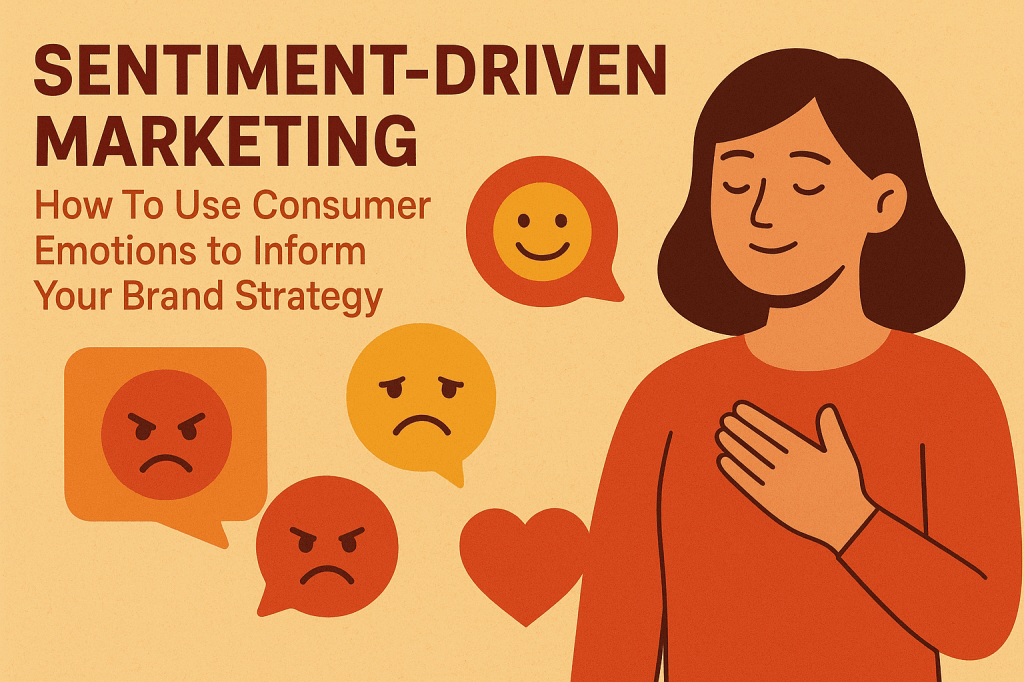

  • Sentiment-Driven Marketing: How To Use Consumer Emotions to Inform Your Brand Strategy

    Sentiment-Driven Marketing: How To Use Consumer Emotions to Inform Your Brand Strategy

    Modern marketing has shifted from being only about products and services to focusing on relationships. Customers today have endless options, and they decide which brands to support based on how those brands make them feel. Emotions drive loyalty, shape reputation, and influence every stage of the buyer journey. A campaign that connects emotionally can inspire action far more effectively than one that simply lists features or benefits.

    Sentiment-driven marketing is the response to this new reality. It acknowledges that behind every purchase is a human being with emotions, expectations, and personal values. By paying attention to how customers feel and by making strategies around those emotions, businesses can create stronger connections and lasting trust. This approach is not about manipulating feelings but about listening and aligning brand values with consumer expectations.

    What Is Sentiment-Driven Marketing

    Sentiment-driven marketing is the practice of shaping brand strategies using consumer emotions as the foundation. Instead of viewing customers as numbers or demographic categories, it treats them as people with unique emotional drivers. The goal is to understand whether audiences feel positive, negative, or neutral about a brand, and then use those insights to guide communication, product development, and customer experiences.

    At the core of this approach is sentiment analysis. This process uses advanced tools to study how people express their feelings in online conversations, reviews, or feedback. By interpreting this data, brands can measure emotional tone and identify key triggers that influence decision-making. For example, if customers frequently express happiness about fast delivery, that emotion becomes a strength the company can highlight in its campaigns. On the other hand, if frustration arises about customer service, the brand knows where improvements are needed.

    Why Emotions Matter in Marketing

    Emotions are powerful because they shape decisions more than logic does. When faced with two similar products, a customer will often choose the one that makes them feel more confident, inspired, or valued. Positive emotions build trust and attachment, while negative ones create distance. A brand that consistently evokes positive emotions becomes more than a provider of goods. It becomes part of the customer’s lifestyle and identity.

    Consider simple examples from daily life. People buy certain coffee brands because the experience feels warm and comforting. They choose specific fitness brands because the message makes them feel strong and motivated. In both cases, the decision is less about the product itself and more about the emotions it represents.

    Sentiment Analysis as a Tool

    Sentiment analysis is the technical side of this marketing approach. It involves collecting large amounts of customer feedback from platforms such as social media, online reviews, and chat conversations. Artificial intelligence and natural language processing examine the language customers use to identify whether it carries a positive, negative, or neutral emotion.

    This process does more than categorize comments. It looks for repeated themes and emotional patterns. For example, if many customers use words like “love” or “amazing” when describing product quality, the brand gains confidence that quality is a strong advantage. If others frequently mention “slow” or “confusing” about checkout processes, the company has clear evidence of a pain point. These insights are invaluable because they go beyond numbers and reveal what customers truly feel.

    Another strength of sentiment analysis is its speed. Emotions shift quickly, and real time monitoring allows brands to detect changes instantly. If negative sentiment spikes after a product update, the business can respond immediately to address concerns before they damage reputation. Likewise, positive waves of emotion provide opportunities to strengthen engagement through timely campaigns.

    How To Incorporate Consumer Emotions Into Your Brand Strategy

    Understanding customer emotions is only the first step. The real value comes from using those insights to guide brand strategy. A structured approach ensures that emotional data does not remain theoretical but becomes part of practical decision-making. By listening, analyzing, segmenting, and acting, businesses can turn emotions into opportunities for growth and stronger connections.

    Step 1: Listen to Your Customers

    Listening is the foundation of sentiment-driven marketing. Brands must actively collect feedback from as many touchpoints as possible. Social media conversations, online reviews, emails, and customer service calls provide unfiltered insights into how people feel. When a customer complains about slow delivery or praises a helpful support agent, they are revealing valuable emotions that the brand can learn from.

    Listening also requires consistency. Gathering data once is not enough. Emotions evolve as market conditions, competitor actions, and consumer expectations change. Continuous monitoring ensures that brands stay updated about the real-time pulse of their audience.

    Step 2: Analyze Emotional Data

    Once feedback is gathered, it needs careful study. Artificial intelligence and natural language processing tools can categorize thousands of comments in seconds. They identify whether customers express happiness, disappointment, curiosity, or frustration. This categorization highlights which areas of the business create positive emotions and which trigger negative ones.

    For example, analysis may reveal that customers frequently associate positive words with fast delivery times but negative emotions with product packaging. These findings go deeper than numbers. They explain why customers behave in certain ways and what can be improved to make the brand experience more enjoyable.

    Step 3: Segment Audiences by Emotion

    Not every customer shares the same emotional state. Some may feel enthusiastic, while others may be cautious or even dissatisfied. By segmenting audiences based on emotions, brands can create personalized strategies that speak directly to each group.

    Consider three possible emotional segments. The first group is highly satisfied customers who express excitement. They may respond well to loyalty programs or exclusive offers. The second group feels neutral, and they may need more education or encouragement to build trust. The third group expresses dissatisfaction, and they require reassurance, quick solutions, and transparent communication. Personalization based on emotion makes marketing more relevant and impactful.

    Step 4: Craft Emotion Led Content

    Content is one of the most powerful tools for reflecting consumer emotions. A well-designed campaign should not only describe features but also evoke feelings that align with the brand’s promise. Storytelling, imagery, and tone of voice all contribute to this emotional connection.

    For example, a travel company may highlight not just destinations but the joy of discovery, family bonding, or relaxation. A health brand may focus on hope, empowerment, and confidence instead of only listing product benefits. When content speaks to emotions, it resonates more deeply and becomes memorable.

    Step 5: Act on Real Time Feedback

    Emotions are dynamic. A positive impression can quickly fade if a problem goes unresolved. This is why brands must act on feedback in real time. Monitoring tools help detect sudden changes in customer mood, allowing companies to respond quickly and effectively.

    If customers express frustration on social media about a service outage, immediate acknowledgment and transparent updates can prevent long-term damage. On the other hand, when positive emotions trend upward after a successful campaign, brands can build on that momentum with timely promotions or gratitude messages. Acting on feedback demonstrates care and strengthens trust.

    Measuring Consumer Sentiment

    Collecting emotional data is important, but it must be measured to bring real value. Without proper measurement, feedback remains a collection of opinions with no clear direction. Measuring sentiment allows businesses to track progress, evaluate campaigns, and make informed decisions. It also helps identify whether strategies are building positive emotions or creating frustration. There are three main ways to measure sentiment effectively.

    Sentiment Scoring

    Sentiment scoring is one of the most common methods used by companies. This process assigns a numerical value to consumer emotions. For example, feedback may be grouped into positive, neutral, and negative categories, with each category represented by a percentage. A higher percentage of positive sentiment suggests that customers are satisfied, while a rise in negative sentiment shows that problems need attention.

    Tracking scores over time provides a clear view of brand health. For instance, if positive sentiment increases after the launch of a new feature, it indicates that customers appreciate the improvement. If negative sentiment rises after a price increase, it signals that the change may not have been well received. Scores make it easier for managers to understand overall mood without reading every individual comment.

    Trend Analysis Over Time

    One-time measurements offer only a snapshot of consumer mood. To truly understand emotions, brands must study sentiment over time. This approach helps identify patterns and long-term changes in how people feel about the brand.

    For example, a company may track sentiment before, during, and after a major campaign. If excitement builds before launch, peaks during, and then drops afterward, it shows that the campaign created short-term buzz but failed to sustain long-term engagement. On the other hand, if positive sentiment remains high weeks after a campaign, it proves that the message had lasting impact. Trend analysis provides context that single scores cannot reveal.

    Emotional Engagement Metrics

    Beyond scores and trends, engagement metrics reveal how much content truly resonates with audiences. Likes, shares, comments, and mentions provide evidence of emotional impact. A post that receives thousands of likes may show approval, but a post that sparks meaningful comments and discussions demonstrates deeper emotional involvement.

    For example, a heartfelt campaign about community values may not only generate shares but also personal stories from customers in the comments. This type of engagement indicates that the message touched people on an emotional level. Monitoring these metrics helps brands understand which types of content inspire the strongest connections and which fall flat.

    Benefits of Sentiment-Driven Marketing

    When emotions become the foundation of marketing, the relationship between a brand and its customers changes. It is no longer about transactions but about connection. By focusing on how people feel, businesses unlock advantages that improve loyalty, engagement, and responsiveness. These benefits make sentiment-driven marketing one of the most powerful approaches available today.

    Builds Loyalty and Trust

    Loyalty is not built on discounts or promotions alone. It grows when customers feel understood and valued. Sentiment-driven marketing helps identify what makes people happy and ensures those emotions are repeated in future experiences. When customers consistently associate a brand with positive feelings, they are more likely to remain loyal even when competitors try to win them over.

    Trust is also a natural result of emotional connection. If customers feel that a brand listens to their concerns, responds with care, and delivers on promises, they begin to trust that brand. This trust makes them less likely to switch to alternatives, creating stability and long-term relationships.

    Enhances Personalization

    Personalization is a central benefit of sentiment-driven strategies. By segmenting audiences based on emotions, brands can deliver content that feels tailored rather than generic. For instance, a customer who feels frustrated may appreciate clear guidance and support, while a satisfied customer may respond better to reward programs or exclusive offers.

    Personalization goes beyond simply inserting a name into an email. It involves crafting experiences that reflect the customer’s state of mind. When customers see that a brand acknowledges their feelings, they are more likely to engage positively and maintain the relationship.

    Improves Responsiveness

    Real-time monitoring of emotions allows companies to respond quickly to changes in customer sentiment. This agility can make the difference between a lost customer and a loyal one. If negative sentiment rises due to a service issue, acknowledging the problem immediately and providing updates demonstrates responsibility and care. Customers often forgive mistakes when they see transparency and genuine effort to resolve issues.

    On the other hand, when positive emotions trend upward, brands can use the momentum to strengthen connections. Celebrating milestones with customers, sharing success stories, or simply expressing gratitude can build stronger emotional bonds. Responsiveness shows that a brand does not ignore feelings but embraces them as part of the customer experience.

    Challenges of Sentiment-Driven Marketing

    While sentiment-driven marketing offers many advantages, it also comes with challenges. Emotions are complex, and interpreting them correctly requires care. Brands must understand the difficulties involved so they can create effective strategies without missteps. Recognizing these challenges helps avoid mistakes and ensures that emotional data is used in a responsible way.

    Complexity of Emotions

    Human emotions are not simple. A customer can feel both satisfaction and frustration during the same interaction. For example, someone may love a product but dislike the delivery process. If a brand only focuses on one emotion, it risks missing the complete picture. Understanding this complexity requires analyzing multiple layers of feedback and acknowledging that feelings often overlap.

    Another complication is that people express emotions differently. Some may openly share excitement, while others may use sarcasm or subtle language. This makes it difficult for automated tools to capture the full meaning of their words. Brands must combine technology with human judgment to correctly interpret the full range of emotions.

    Data Privacy Concerns

    Sentiment analysis depends on collecting and studying large amounts of customer data. This raises concerns about privacy. Customers want to feel understood, but they also want assurance that their information is safe. If a brand collects data without clear communication or consent, it risks losing trust.

    Respecting privacy means being transparent about how feedback is used and protecting personal information. Companies must follow regulations and assure customers that their data will not be misused. Building trust through responsible data practices is just as important as measuring sentiment itself.

    Risk of Misinterpretation

    Even with advanced tools, there is always a risk of misinterpreting emotions. Language is full of context, cultural nuances, and local expressions. A word that appears positive in one region may carry a negative meaning in another. Without proper context, analysis may produce inaccurate results.

    For example, a customer may say a product is “sick,” which could mean excellent in modern slang but poor in a traditional sense. Misinterpreting this could lead to wrong conclusions about customer satisfaction. Brands need skilled analysts and cultural awareness to avoid such mistakes and ensure that insights are accurate.

    Case Studies and Examples of Sentiment-Driven Marketing

    One of the best ways to understand sentiment-driven marketing is by looking at how brands have applied it successfully. Real-world examples show how emotional insights can shape campaigns, improve customer experiences, and strengthen loyalty. These stories highlight the power of using emotions as a guide for strategy.

    Starbucks: Creating Personalized Customer Experiences

    Starbucks is known for its ability to connect with customers on a personal level. By listening to customer feedback across social media and mobile app reviews, the company identifies common emotions and expectations. These insights are then used to personalize promotions, menu suggestions, and even store experiences.

    For example, many customers associate Starbucks with comfort and routine. By focusing on this emotion, the company promotes seasonal drinks and cozy in-store environments that emphasize warmth and familiarity. This approach transforms everyday coffee purchases into moments of personal connection, which keeps customers coming back.

    Coca-Cola: Celebrating Happiness

    Coca-Cola has long positioned itself as a brand that represents joy and togetherness. Through campaigns such as “Share a Coke,” the company tapped into the emotion of happiness by personalizing bottles with customer names. This campaign created excitement and encouraged people to share products with friends and family.

    By tying the product to emotional experiences like friendship and celebration, Coca-Cola reinforced its image as more than a drink. It became a symbol of positive emotions and memorable moments, demonstrating the power of aligning brand identity with consumer feelings.

    Amazon: Responding to Customer Sentiment

    Amazon constantly measures customer sentiment to improve service. Reviews, ratings, and feedback are analyzed to detect emotions such as satisfaction, frustration, or anticipation. This real-time sentiment tracking allows Amazon to adapt quickly to customer needs.

    For instance, when negative feedback highlights issues with delivery speed, the company invests in logistics improvements. When positive emotions surround new product features, Amazon promotes them more aggressively. This continuous cycle of listening and responding ensures that customer emotions directly shape service quality.

    Future of Sentiment-Driven Marketing

    Consumer behavior is always evolving, and so is the technology that tracks emotions. The future of sentiment-driven marketing looks promising as new tools, artificial intelligence, and cultural changes redefine how brands understand and connect with people. Companies that prepare for these changes will be able to create even stronger emotional connections with their audiences.

    Integration with Artificial Intelligence

    Artificial intelligence is becoming the backbone of sentiment analysis. Advanced algorithms can now detect not only positive or negative emotions but also subtle tones such as sarcasm, excitement, or disappointment. This level of detail gives brands a much clearer view of how customers feel.

    In the future, AI will not just analyze emotions but predict them. For example, if a customer shows early signs of frustration in their browsing behavior, AI could trigger proactive support before they even complain. This predictive capability will help businesses stay ahead and create smoother experiences.

    Cross-Platform Emotional Insights

    Consumers no longer interact with brands on a single platform. They move between websites, apps, social media, and even voice assistants. The future of sentiment-driven marketing involves connecting all these touchpoints to create a unified emotional profile for each customer.

    When a brand can recognize that the same customer expressed excitement on Instagram, curiosity on a website, and hesitation in a support chat, it gains a complete understanding of the journey. These cross-platform insights will allow for more personalized campaigns and consistent emotional experiences.

    Greater Role of Ethical Marketing

    As technology makes it easier to track emotions, ethical concerns will grow. Customers want personalization, but they also value privacy and fairness. The future will demand transparent communication about how emotional data is used and stronger protections to prevent misuse.

    Brands that act responsibly will stand out. Showing respect for privacy and setting clear boundaries around data collection will build trust. Ethical marketing will not only meet legal requirements but also strengthen emotional bonds by proving that a brand cares about customer values.

    Conclusion

    Sentiment-driven marketing is no longer an optional strategy. It is becoming a vital part of how brands understand and connect with their audiences. By measuring emotions, applying insights to campaigns, and adapting quickly to feedback, companies can build loyalty, trust, and long-term success. The examples of Starbucks, Coca-Cola, and Amazon show that emotions are a driving force behind customer decisions and brand growth.

    The future of this approach will rely heavily on artificial intelligence, ethical data practices, and cross-platform emotional insights. Businesses that embrace these trends will not only gain a competitive edge but also create meaningful relationships that last. In a marketplace where attention is short and choices are endless, emotions provide the strongest link between a customer and a brand.

    For organizations seeking expert guidance in applying these strategies, working with experienced Digital Marketing Companies can be the right step. These professionals bring the knowledge, tools, and creativity needed to translate consumer emotions into powerful brand strategies that deliver results.

  • How To Boost Audience Engagement With Content Marketing

    How To Boost Audience Engagement With Content Marketing

    In the crowded digital world, it’s not enough to simply publish content — you need to connect with your audience on a deeper level. With users constantly bombarded by blog posts, videos, ads, and social media updates, holding their attention is one of today’s biggest marketing challenges.

    That’s where audience engagement comes in. Engaged audiences don’t just read your content — they respond to it, share it, comment on it, and ultimately, trust your brand more deeply. Whether you’re trying to build a loyal community, drive traffic, or increase conversions, engagement is the key that unlocks sustainable results.

    In this guide, we’ll walk you through practical, actionable strategies to boost audience engagement using smart content marketing techniques. From crafting better headlines to embracing interactivity and optimizing for performance, every section is designed to help you create content that truly resonates.

    Let’s explore how to make your content more than just visible — let’s make it unforgettable.

    Know Who You’re Talking To

    Content that connects starts with knowing who you’re talking to. No matter how creative or well-written your piece is, it won’t drive engagement unless it aligns with your audience’s needs, values, and behaviors. That’s why understanding your target audience is the most critical first step in content marketing. When you know who they are, what problems they face, and what motivates them, you can create content that resonates on a personal level.

    To do this, start by developing buyer personas — fictional representations of your ideal customer segments. These personas should include information like age, gender, income, profession, goals, preferred platforms, buying habits, and pain points. You can gather this data using a mix of methods: customer surveys, interviews, Google Analytics behavior flow, CRM reports, and even direct feedback from social media or customer support.

    For example, if you discover that a significant portion of your audience is made up of mid-level marketing professionals who prefer visual content and are active on LinkedIn, that insight should shape the tone, style, and format of your posts. In contrast, if you’re targeting small business owners who consume information via podcasts or long-form blog posts, you’ll need to adjust accordingly. When your audience feels like your content was made just for them, they’re more likely to engage, share, and return.

    Finally, remember that your audience is not static. Consumer behaviors and preferences change over time. It’s important to refresh your audience data regularly and adjust your strategy to reflect new insights. This ongoing process will help you maintain relevance and deepen your connection with your readers.

    Tips for Getting to Know Your Audience

    • Define Buyer Personas: Build 2–3 personas that reflect the most common customer profiles you serve.
    • Use Analytics Tools: Platforms like Google Analytics, HubSpot, and Meta Insights offer valuable demographic and behavior data.
    • Conduct Surveys & Interviews: Ask your audience directly about their preferences, pain points, and content habits.
    • Monitor Trends: Stay updated on social and industry trends that influence what your audience expects from content.
    • Review Customer Journeys: Look at where engagement drops and adjust your content flow to retain interest.

    Choose the Right Content Channels

    Meet Your Audience Where They Already Are

    Choosing the right content channels isn’t about being everywhere — it’s about being in the right places. If you try to publish content across every platform, you’ll quickly burn out your resources while possibly missing your core audience entirely. Instead, focus on the platforms where your target audience is already active and consuming content.

    Different platforms cater to different audiences and content styles. For instance, professionals in the B2B space are likely to engage with thoughtful, long-form posts on LinkedIn. On the other hand, Gen Z audiences might prefer bite-sized, visual, and trend-driven content on TikTok or Instagram Reels. If you’re in the eCommerce space, Pinterest and YouTube might serve you better due to their strong visual and search-driven ecosystems. The key is to understand how your audience consumes information and tailor your content strategy around their preferences.

    Also consider the type of content that performs well on each channel. Instagram favors strong imagery and short captions, while Twitter (now X) is built around real-time, text-based updates. YouTube thrives on storytelling, education, and visual tutorials, whereas your blog is ideal for deep dives and SEO-rich content that brings long-term traffic.

    Most importantly, don’t stretch yourself too thin. It’s better to master 2–3 channels where your audience is most engaged rather than dilute your efforts across 7 or 8 with little return. Track performance metrics on each platform regularly and double down on the ones that consistently deliver engagement, leads, or conversions.

    Tips to Choose the Right Content Channels

    • Audit Existing Channels: Look at current metrics to identify where your content performs best (e.g., highest CTR or longest view times).
    • Match Format to Channel: Use videos on YouTube and Reels, infographics for Pinterest, and professional insights for LinkedIn.
    • Consider Your Industry: B2B brands may find more value on LinkedIn and Twitter, while B2C brands often excel on Instagram, Facebook, and TikTok.
    • Evaluate Content Goals: Are you aiming for awareness, education, conversion, or support? Each goal may suit a different channel.
    • Start Small, Then Scale: Begin with one or two primary platforms, then grow once you see sustainable engagement and ROI.

    Implement Interactive Elements

    Make Your Audience Part of the Experience

    In today’s content landscape, attention is a scarce resource. People are no longer satisfied with passively reading blog posts or watching videos. They want to participate, respond, and shape the conversation. This is where interactive content becomes a powerful tool for boosting engagement. It turns users from spectators into participants, creating a two-way experience that builds deeper trust and attention.

    Interactive content includes everything from simple polls and quizzes to live video sessions, interactive infographics, clickable product demos, calculators, or even games. The key benefit? People are far more likely to remember and engage with content when they actively interact with it. For instance, a user who completes a short quiz about their marketing knowledge is far more engaged than someone who simply scrolls through an article on the same topic.

    Not only does interactive content keep users on your page longer, but it also provides valuable insights about your audience’s preferences and behaviors. This data can be used to personalize future content, improve products, or guide marketing decisions. It’s a win-win: your audience gets a more engaging experience, and you get more qualified data.

    Live streaming is another effective way to build real-time engagement. Hosting Q&A sessions, webinars, or product demos gives your audience a chance to ask questions, react in the moment, and feel like they’re part of something exclusive. It adds a layer of immediacy and community that traditional content simply can’t replicate.

    Ideas for Interactive Content That Engages

    • Polls and Quizzes: Quick to create, fun to answer, and easy to share — ideal for social media and blog posts.
    • Live Videos: Host weekly Q&As, behind-the-scenes tours, or launch events on Instagram Live, Facebook, or YouTube.
    • Interactive Infographics: Let users click on different sections for personalized information or data points.
    • Surveys: Gather insights while showing your audience that their opinions matter.
    • Calculators and Tools: Create value-driven utilities like ROI calculators, budget planners, or assessment tools.
    • Gamified Content: Introduce rewards, achievements, or challenges that motivate users to keep engaging.

    Embrace Storytelling & Authenticity

    Connect Emotionally Through Real Stories

    Humans are hardwired for stories. Long before we had websites or social media, we shared information through storytelling — and that hasn’t changed. In content marketing, storytelling is what gives your brand life, personality, and emotional resonance. It transforms you from just another business into something your audience can relate to, trust, and root for.

    The most successful brands don’t just push products. They tell stories that reflect their mission, values, and community. Whether it’s the story of how your company started, a behind-the-scenes look at your team, or a customer’s transformation using your product — storytelling gives your content a heartbeat. People don’t remember data points, they remember how you made them feel.

    Authenticity plays a huge role in this. In a world of filters, bots, and staged perfection, your audience craves realness. That means being honest about challenges, showing vulnerability, and letting your brand voice come through naturally. Authentic brands attract loyal fans because they feel human — not corporate or robotic.

    User-generated content is another authentic storytelling tool. Sharing real customer experiences — through testimonials, social media features, or video spotlights — shows that real people trust your brand. It also encourages more customers to share their stories, strengthening your sense of community.

    Storytelling isn’t just for long-form blogs or videos, either. A simple Instagram caption, a tweet thread, or a carousel post can tell a story when done thoughtfully. The key is to anchor your content in emotion, purpose, and people — not just products.

    Ways to Use Storytelling and Authenticity in Content

    • Founder’s Journey: Share how your brand came to life — including struggles, pivots, and personal insights.
    • Customer Success Stories: Showcase real-world transformations, pain points solved, and emotional impact.
    • Behind-the-Scenes Content: Give your audience a peek into your team, your process, or even your mistakes.
    • Unfiltered Content: Share raw, unpolished moments — these often perform better than scripted, overly polished pieces.
    • Values-Driven Messaging: Use content to express what your brand stands for — and why it matters.
    • Real Language: Write like you speak — with empathy, honesty, and clarity — not corporate jargon.

    Use Rich Visual & Format Variety

    Make Your Content Visually Appealing and Easy to Digest

    People process visuals faster than text — about 60,000 times faster. In a digital space crowded with words, a well-placed image, infographic, or video can stop the scroll and immediately draw attention. If your content is hard to read or visually boring, your audience won’t stick around long enough to absorb your message.

    Using rich media isn’t about decorating your content — it’s about enhancing clarity and emotional impact. Visuals can reinforce key ideas, simplify complex data, tell stories, and keep readers engaged for longer periods. They also break up large text blocks, making articles more skimmable and readable on all devices — especially mobile.

    For example, instead of writing three paragraphs to explain a process, consider using a step-by-step infographic or short animated video. Instead of listing statistics in bullet points, present them in a pie chart or bar graph. Even small enhancements like icons, illustrations, or GIFs can improve readability and retention.

    Also consider format diversity. Not everyone learns the same way. Some people prefer watching, others like reading, and some respond best to interactive or audio content. Offering your message in multiple formats — such as video summaries for blog posts, podcast versions of your articles, or social media snippets — increases your content’s reach and usefulness.

    Ultimately, the combination of rich visuals and varied formats makes your content not only more beautiful but more effective. It transforms passive consumption into a dynamic experience — which is exactly what drives engagement today.

    Visual & Format Elements That Boost Engagement

    • Infographics: Simplify data and processes into easy-to-scan visuals that get shared widely.
    • Short Videos: Use tutorials, product demos, or storytelling to boost retention and social engagement.
    • GIFs & Animations: Add movement to make content playful and dynamic, especially on social media.
    • Image Breaks: Insert custom or stock images to separate text and refresh visual flow.
    • Slide Decks or Carousels: Perfect for summarizing blog posts into digestible formats on LinkedIn or Instagram.
    • Audio & Podcast Clips: Add voice content for audiences who prefer to listen over reading.

    Encourage User-Generated Content (UGC)

    Turn Your Audience Into Content Creators

    User-generated content (UGC) refers to any content — reviews, photos, videos, testimonials, social posts — created by your customers or fans rather than your brand. It’s one of the most effective ways to build trust, authenticity, and long-term engagement. Why? Because people trust other people more than they trust companies.

    When a potential customer sees others like them using and enjoying your product or service, it validates their interest and reduces the perceived risk. UGC acts as social proof. It shows that your brand delivers real results to real people — and that’s far more persuasive than any marketing copy you could write.

    Encouraging UGC also deepens audience loyalty. When people feel like they’re part of your brand’s story, they’re more likely to share their experiences, recommend you to others, and stick around for the long haul. It creates a sense of belonging — and that’s where true engagement begins.

    To encourage UGC, make it easy and rewarding for people to participate. Run hashtag campaigns, contests, or challenges. Invite customers to share photos or videos with your product in use. Feature their content in your newsletter, blog, or social media feed. The key is to create a loop where your audience sees others participating and wants to join in.

    It’s also important to engage with the UGC once it’s shared. Thank users, respond to their posts, and celebrate their contributions. This builds a positive feedback loop where content creation and engagement reinforce each other.

    Ways to Inspire and Leverage UGC

    • Branded Hashtags: Create a unique, catchy hashtag for customers to tag when sharing their experiences.
    • Customer Spotlights: Regularly feature user photos, stories, or testimonials across your content platforms.
    • Contests & Giveaways: Offer incentives for the best content — this drives submissions and awareness.
    • Product Reviews & Ratings: Encourage happy customers to leave honest reviews on your site and third-party platforms.
    • Video Testimonials: Ask loyal clients to share short videos about their experience with your brand.
    • Engage with Contributors: Like, comment, and reshare UGC to show appreciation and strengthen relationships.

    Strong Calls to Action (CTAs)

    Guide Your Audience Toward the Next Step

    Every piece of content should serve a purpose — and that purpose should end with a clear, compelling call to action (CTA). CTAs guide your audience to the next step, whether it’s subscribing to a newsletter, downloading a guide, commenting on a post, or making a purchase. Without a CTA, even your best content might leave users wondering, “What now?”

    A good CTA does more than tell someone what to do. It connects action with value. For example, instead of saying “Click here,” you could say, “Download your free guide to increasing traffic.” This not only gives direction but also communicates the benefit. The most effective CTAs are simple, specific, and outcome-driven.

    Placement matters too. CTAs don’t always need to be at the end of your content. In fact, inserting CTAs mid-way through (long-form blogs or videos), in sidebars, or within scroll-triggered popups can increase conversions without being pushy. Experiment with different placements and formats to see what performs best with your audience.

    Also, tailor your CTA language to your content channel. What works in a blog post won’t necessarily work on Instagram or YouTube. Visual CTAs (like buttons or icons) tend to work better on social and email, while contextual CTAs (like links within a sentence) are more natural for blogs or longer articles.

    Lastly, don’t overwhelm your audience with too many CTAs at once. Focus on one clear goal per piece of content. If you ask them to subscribe, comment, and share all at once, they’re likely to do none of it. Keep your messaging focused, and make the next step feel like a logical continuation of the content they just consumed.

    Best Practices for Effective CTAs

    • Be Specific: Instead of vague instructions like “Learn More,” try “Get Your Free Social Media Checklist.”
    • Use Action Words: Start with strong verbs like “Download,” “Start,” “Join,” or “Discover.”
    • Show the Benefit: Make the reward of the action clear — tell them what’s in it for them.
    • Optimize CTA Placement: Test top, middle, and end-of-content CTAs to see what drives the most engagement.
    • Design for Clicks: Make buttons stand out visually with contrasting colors and clear text.
    • Limit to One Action: Don’t confuse users — focus each content piece around one strong call to action.

    Monitor Metrics & Optimize

    Let Data Guide Your Engagement Strategy

    Content marketing doesn’t end when you hit “publish.” To truly boost audience engagement, you must track how your content performs and use that insight to refine your strategy. Without metrics, you’re essentially guessing. But with the right data, you can create content that consistently resonates, engages, and converts.

    Start by identifying the metrics that truly reflect engagement — not just vanity numbers like views or impressions. Important metrics include time on page, bounce rate, click-through rate (CTR), scroll depth, comments, shares, and conversions. These KPIs show whether people are actually interacting with your content in a meaningful way.

    Tools like Google Analytics, Hotjar, HubSpot, or social media insights can help you understand how different types of content perform. Are people watching your videos all the way through? Which blog topics keep readers on-page the longest? What kind of content generates the most shares or feedback? These answers help you optimize both new and existing assets.

    Don’t be afraid to run experiments. A/B test your headlines, CTAs, images, and content formats. Sometimes a simple change — like adjusting your blog title or using a shorter intro — can significantly improve results. The goal isn’t to get it perfect the first time but to learn and adapt as you go.

    Also, track content performance by channel. What works well on LinkedIn may flop on Instagram. By tailoring your content to each platform’s strengths and your audience’s behavior, you’ll drive deeper engagement.

    Key Metrics to Track & Optimize

    • Time on Page: Indicates how engaging and readable your content is.
    • Bounce Rate: A high bounce rate may suggest your content doesn’t match user expectations or needs improvement.
    • Scroll Depth: Reveals how far users read into your content, helping you optimize length and structure.
    • Click-Through Rate (CTR): Measures how effective your links and CTAs are.
    • Engagement (Likes, Comments, Shares): Shows emotional and community-driven responses to your content.
    • Conversion Rate: Tracks whether users took the desired action, such as signing up or downloading a resource.

    Conclusion: Boosting Engagement is a Long-Term Game

    Boosting audience engagement through content marketing isn’t about hacks or shortcuts — it’s about consistency, authenticity, and deep understanding of your audience. From crafting valuable content and using compelling visuals to encouraging user participation and tracking real results, every step should align with your brand’s mission and your audience’s needs.

    Remember, engagement is built through trust and value over time. Don’t be discouraged by slow starts. Instead, continue refining your approach based on real insights, genuine feedback, and meaningful interaction.

    If you’re looking to accelerate your strategy and achieve measurable results, partnering with the right experts can make a huge difference. Explore the top Digital Marketing Companies to find experienced professionals who can help you elevate your content and drive sustainable engagement.

    Start small, stay consistent, and never stop optimizing — your audience is waiting to connect with content that truly speaks to them.

Design a site like this with WordPress.com
Get started